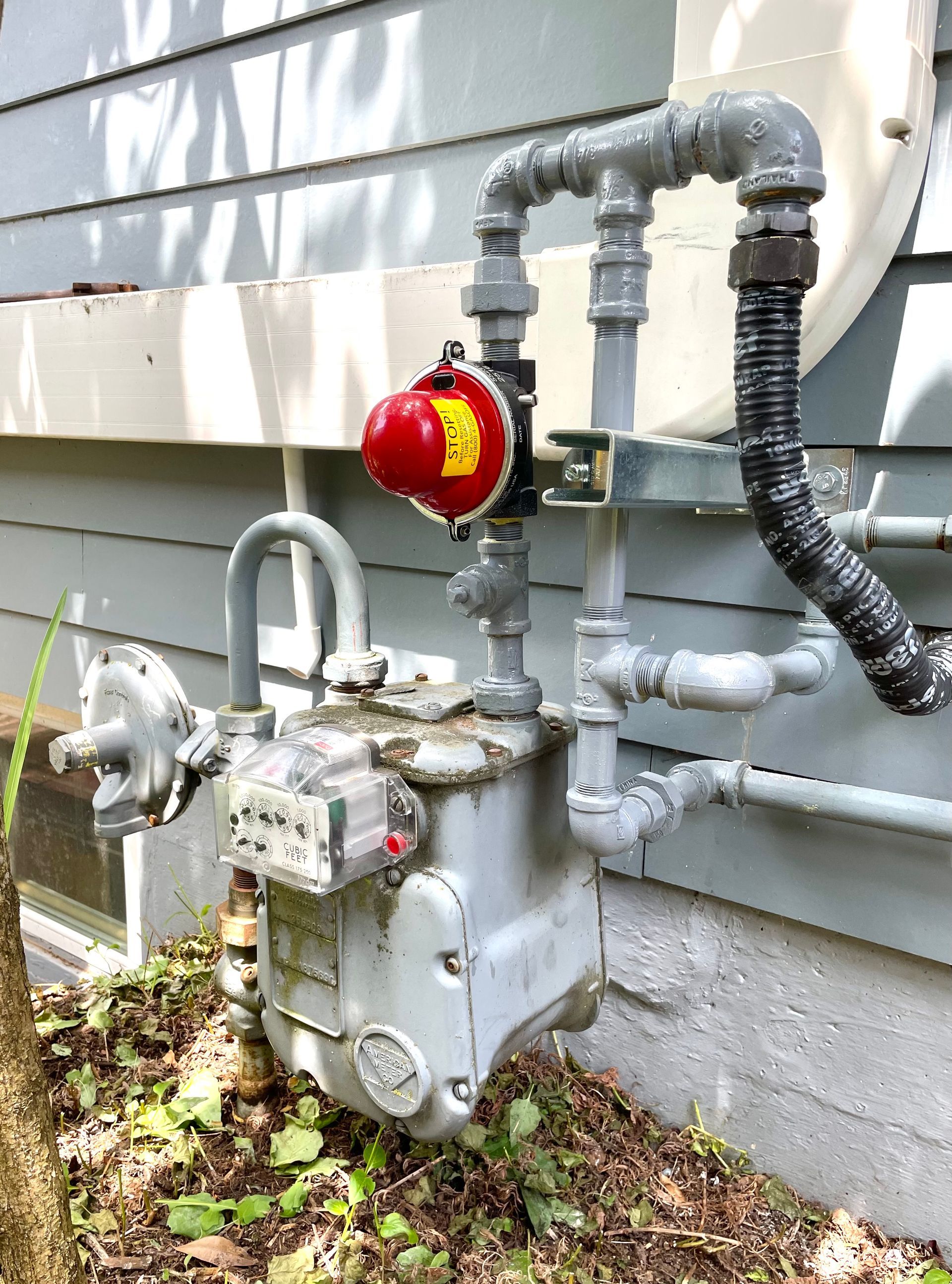
What Happens to Your Gas Line During an Earthquake?
Protect Your Home Before the Next Earthquake
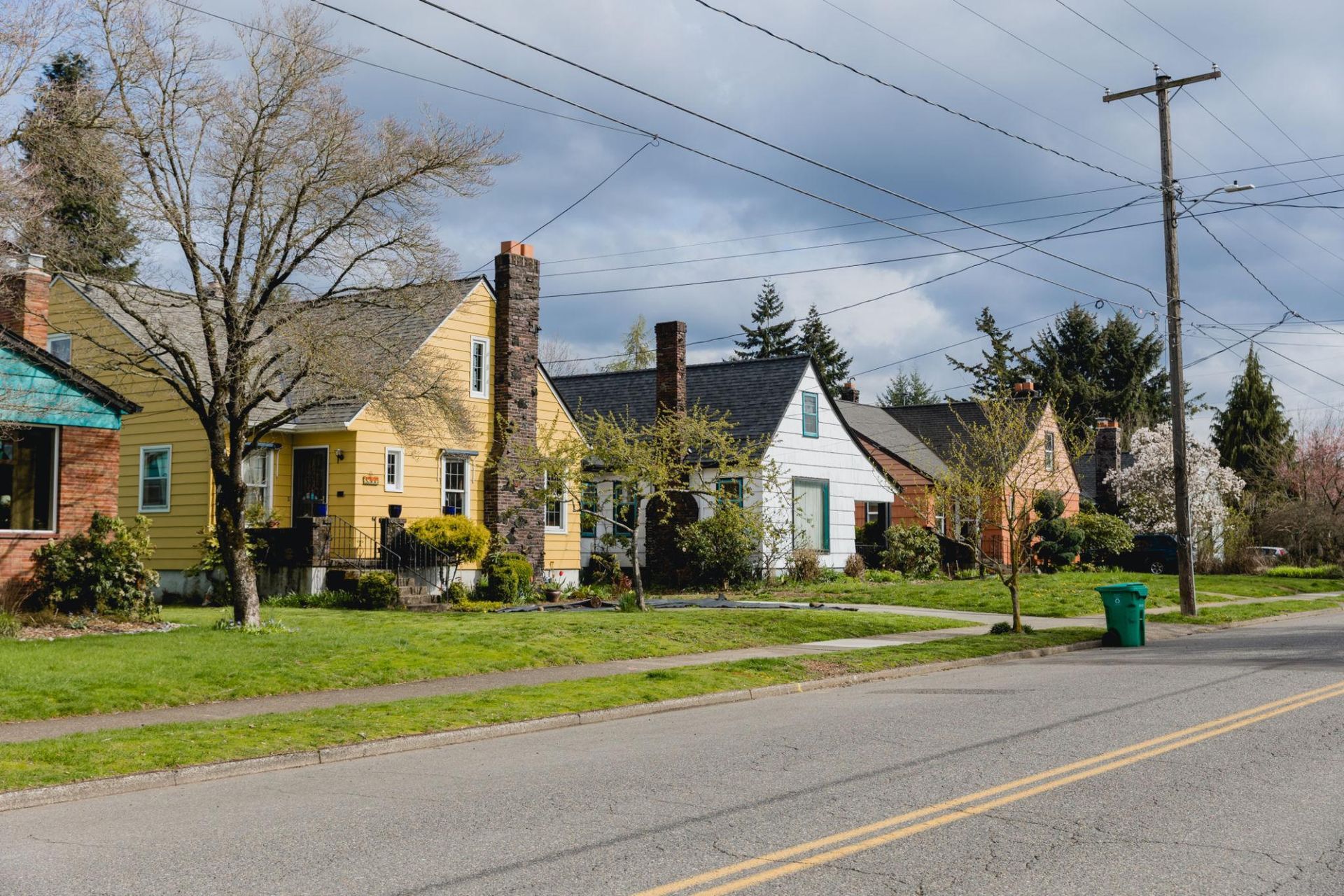
When most people think about earthquakes, they picture shaking walls, falling objects, or structural damage.
But one of the biggest hidden risks after an earthquake isn’t always visible right away:
👉 Damage to your home’s gas line
Understanding what happens—and how to protect your home—can make a critical difference in your safety.
Why Gas Lines Are Vulnerable
Your gas system isn’t rigid—it’s a network of pipes and connections that run:
- From the street
- Into your home
- Through walls and floors
- To appliances like your furnace, water heater, and stove
During an earthquake, the ground shifts. Even small movements can:
- Stress pipe connections
- Loosen fittings
- Crack older or brittle lines
What Actually Happens During Shaking
When an earthquake hits:
1. Ground Movement
The earth shifts beneath your home, which can:
- Move the gas meter
- Shift underground lines
- Put pressure on joints
2. House Movement
Your home doesn’t stay perfectly still—it sways and settles.
This can:
- Pull against rigid gas pipes
- Stress connection points
- Cause small separations
3. Vibration
Even if nothing breaks immediately, intense shaking can:
- Loosen threaded fittings
- Weaken older materials
- Create tiny gaps that lead to leaks
What Happens If a Gas Line Is Damaged
If a gas line is compromised, it may result in:
⚠️
Gas leaks
⚠️
Increased fire risk
⚠️
Explosion hazards in enclosed spaces
What makes this especially dangerous:
Gas leaks are often
invisible and odorless at first
You may not notice until it becomes serious
Why This Is a Major Risk After Earthquakes
Historically, many of the most damaging post-earthquake fires have been caused by:
- Broken gas lines
- Leaking connections
- Ignition from appliances or electrical sparks
Even a small leak can escalate quickly if it’s not addressed.
How an Automatic Gas Shutoff Valve Helps
An earthquake shutoff valve is designed to:
✔ Detect seismic activity
✔ Automatically shut off your gas supply
✔ Prevent gas from continuing to flow into a damaged system
It works instantly—even if you’re not home.
Do All Homes Have Protection Like This?
No.
Most homes in Portland do not automatically shut off gas during an earthquake.
Without a shutoff valve:
- Gas can continue flowing after damage
- Leaks can go unnoticed
- Risk increases significantly
Signs Your Gas Line May Be Affected
After an earthquake, watch for:
- Smell of gas (rotten egg odor)
- Hissing sounds near gas lines
- Dead or dying vegetation near a gas line
- Sudden issues with appliances
If you notice any of these, leave immediately and contact your gas company.
The Safest Approach Is Prevention
You can’t control an earthquake—but you can control how prepared your home is.
Installing a shutoff valve is one of the simplest ways to:
- Reduce risk
- Protect your home
- Give yourself peace of mind
Protect Your Home Before the Next Earthquake
Earthquakes happen without warning.
The best time to prepare is before, not after.
Schedule an installation or request a quote today:
Earthquake Tech
Serving Portland and surrounding areas